What We do!

The Wonder of learning through nature

At The Elves and Fairies Woodland Nursery finding time to experience nature is of high priority.

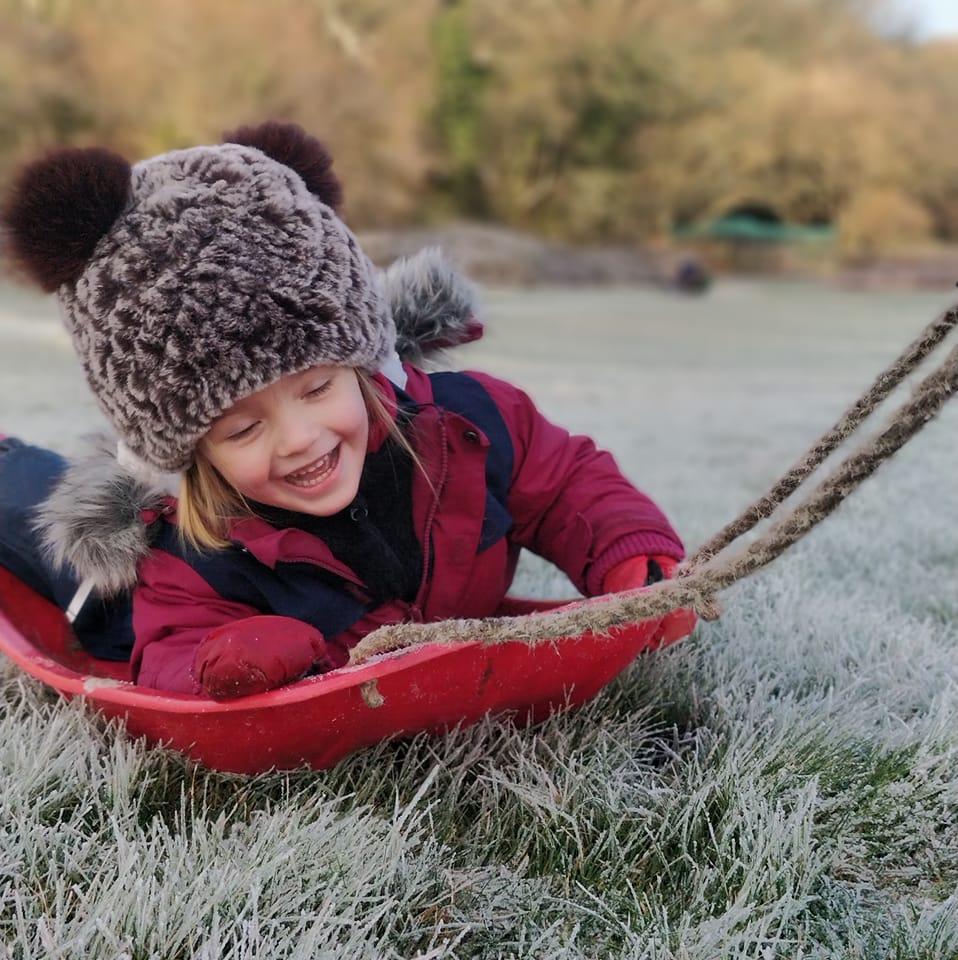
We are an Outdoor Nursery and Forest School, with a cosy indoor space that we use in extreme weather. We believe that the closer to nature the children are the happier they will be and the more they will learn. Free to explore natures riches, a childs’ senses are heightened, which enhances their creative and imaginative play.

Our focus is on ‘the whole child’ and helping them develop at their own pace in their own way, whilst achieving the Early Years Foundation Stage goals (EYFS)

Elves & Fairies Woodland Nursery and it’s staff are committed to help the children achieve their maximum potential. through outdoor play and learning. They develop:

  • high self esteem and confidence
  • good language, social and communication skills
  • necessary skills to keep themselves safe
  • healthy lifestyles and diet
  • other essential skills for the future

Forest school

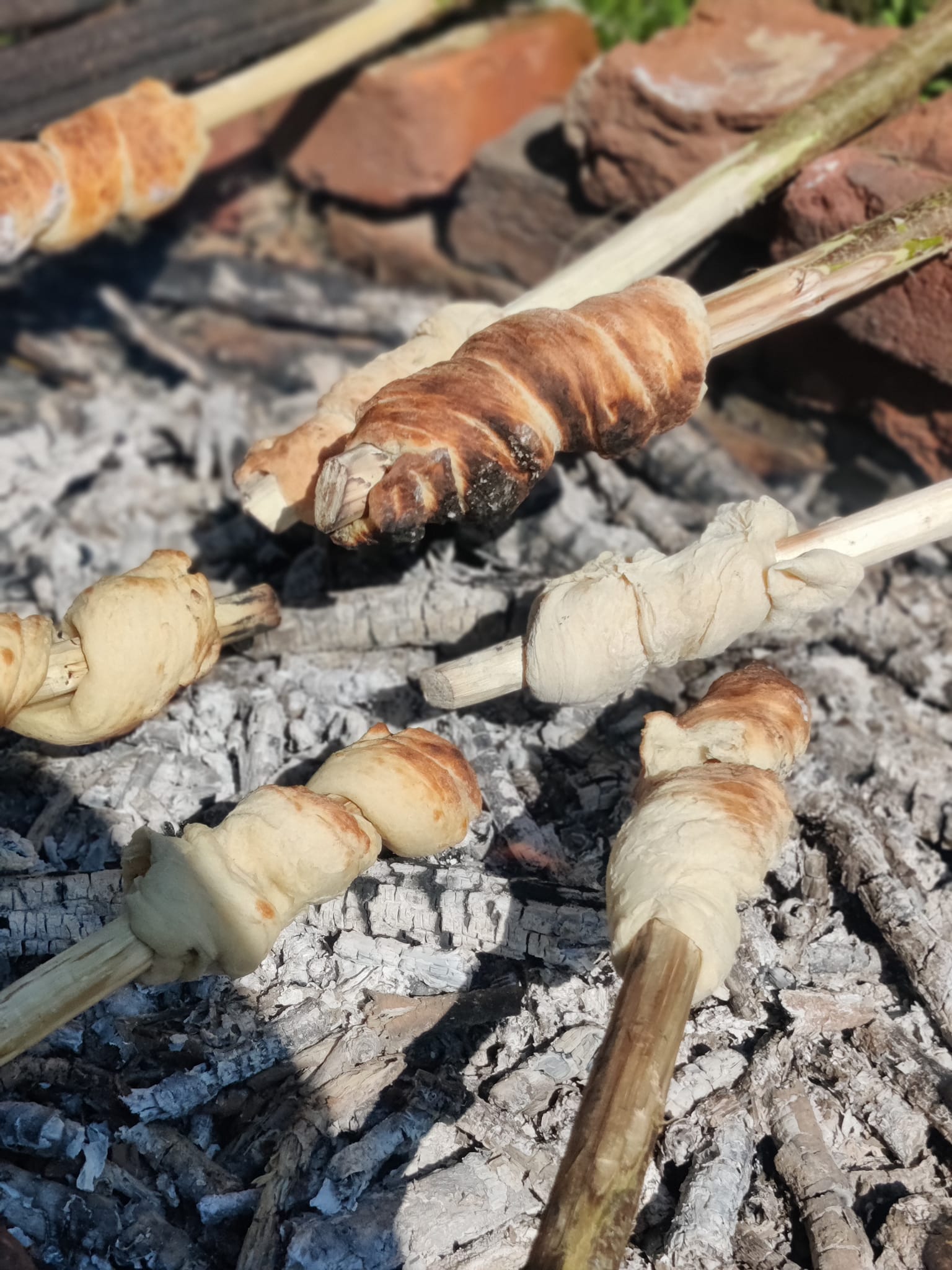
  • At The Elves & Fairies Woodland Nursery, the philosophy is to inspire and encourage individuals of all ages. Through positive outdoor experiences using nature as the teacher. Forest School provides holistic development through self directed learning. By allowing individuals to participate in achievable tasks and activities. In a woodland environment their confidence and self esteem is raised which aids their learning and development.Forest School is a way for children of all ages who are able to visit a woodland area on a regular basis to learn about nature, develop socially and emotionally, improve their language, communication skills and develop physically and creatively whilst playing in natural surroundings. The open space allows children to develop freely taking time to explore their thoughts and feelings and to interact positively with their peers. They can also take part in more unusual and creative adult led activities such as: shelter building, nature games, den building, nature crafts, camp fire skills, singing and enjoying food cooked on the camp fire.We have several members of staff who are experienced in leading Forest School sessions in addition to being qualified in Child Care Learning & Development level 3 or above, which allows us to confidently inc

Seasonal food

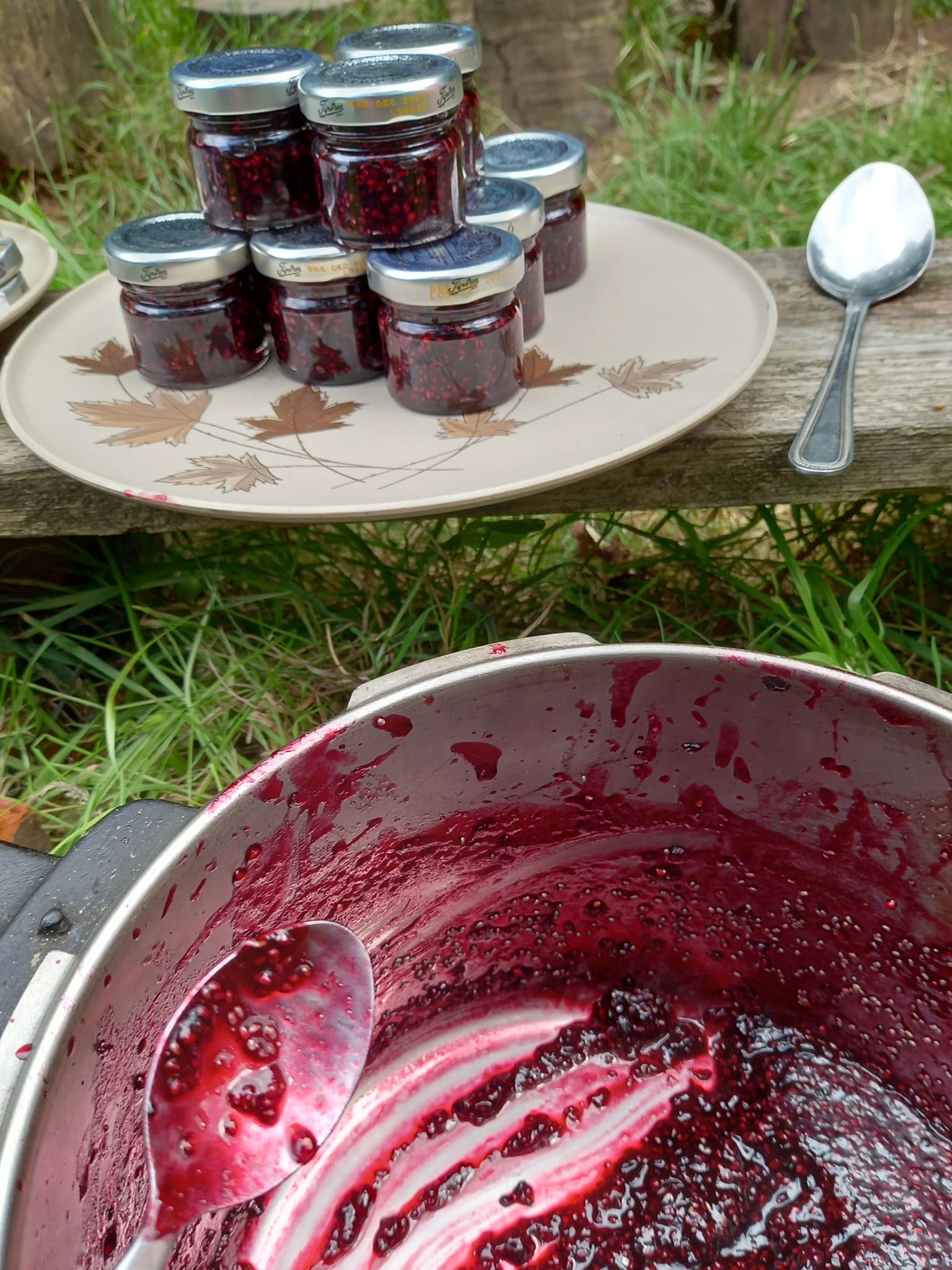
Staff have good knolledge of foreriging and will teach children how to do this safley, they will be tought to ask the staff if they can pick the blackberries or fresh veg from the garden.

exsamples of what we make using foredged foods

  • Nettle and wild garlic soup
  • sticky weed tea
  • plantain balm
  • elder flower fritters\cordials
  • rose hip syrip


Camp Fire safety

Cooking on the campfire is a regular occurrence during Kindergarten. Eating around a fire is a great experience for everyone, it opens up a huge area for social communication. For children to benefit as much as they can from cooking on camp fires, the area needs to be safe. We achieve this by following a careful camp fire procedure. Children are made aware of their boundaries and that the fire is there for a purpose, to cook snacks on and enjoy sitting round. A member of staff is always present at the fire sid


Natural Art & Craft

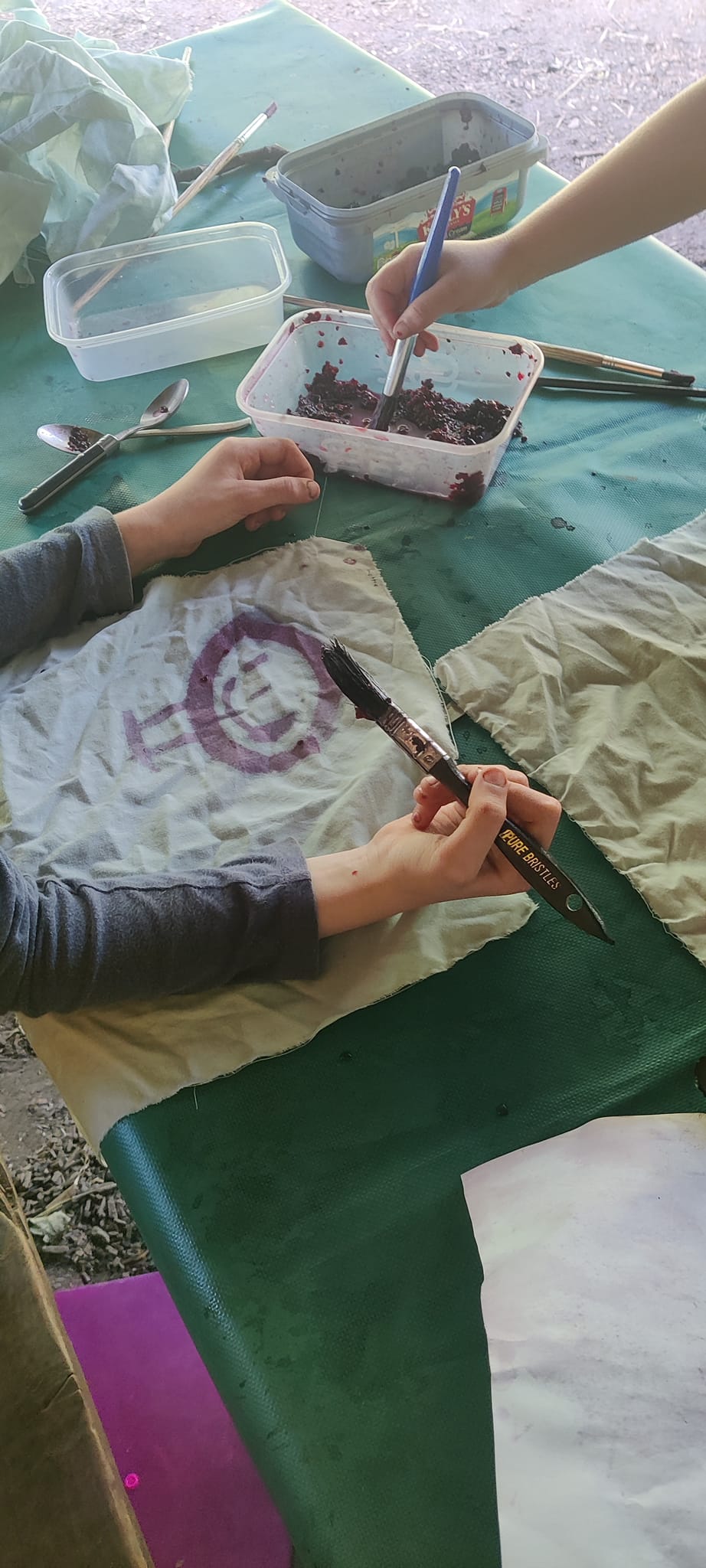
earth painting on canvas with different coloured earths and red cabbage water. They also rub their canvases with grass and dandelions to create lovely natural colours on their pictures which are then framed in beautiful stick frames.

dream catchersalder necklace
The children learn to work with elder wood and other natural resources to make necklaces wands and all manner of crafts to name but a few.

A Typical day

  • 8:45 Meet at the field gate for hide and seek, ball games etc, while children assemble.
  • 9:00 Cross the field recording what they observe en route in their notebooks e.g. slugs, birds or wild flowers, using observation sheets to help identify what they see.
  • 9:15 Risk assessment talk and walk.
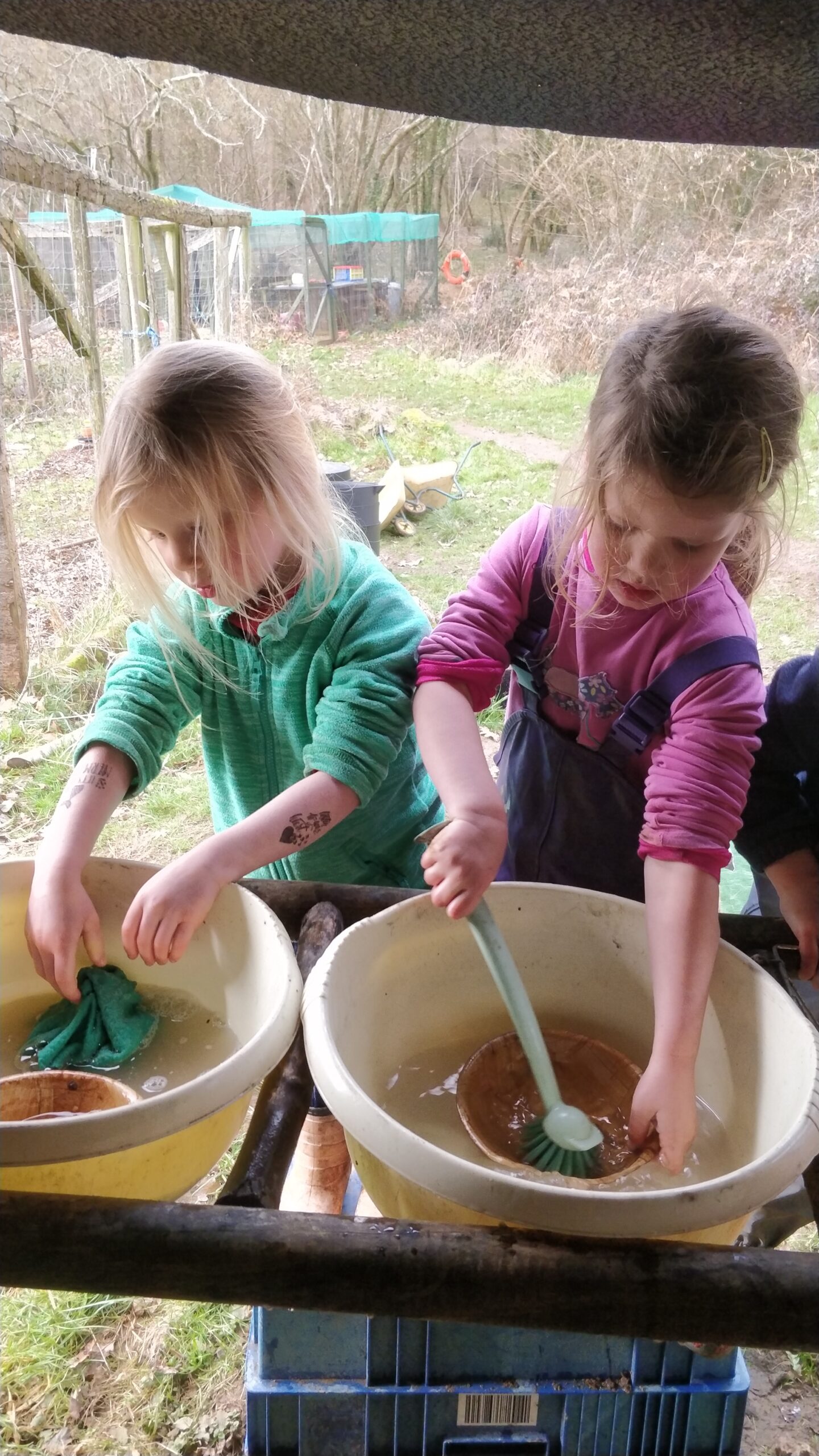
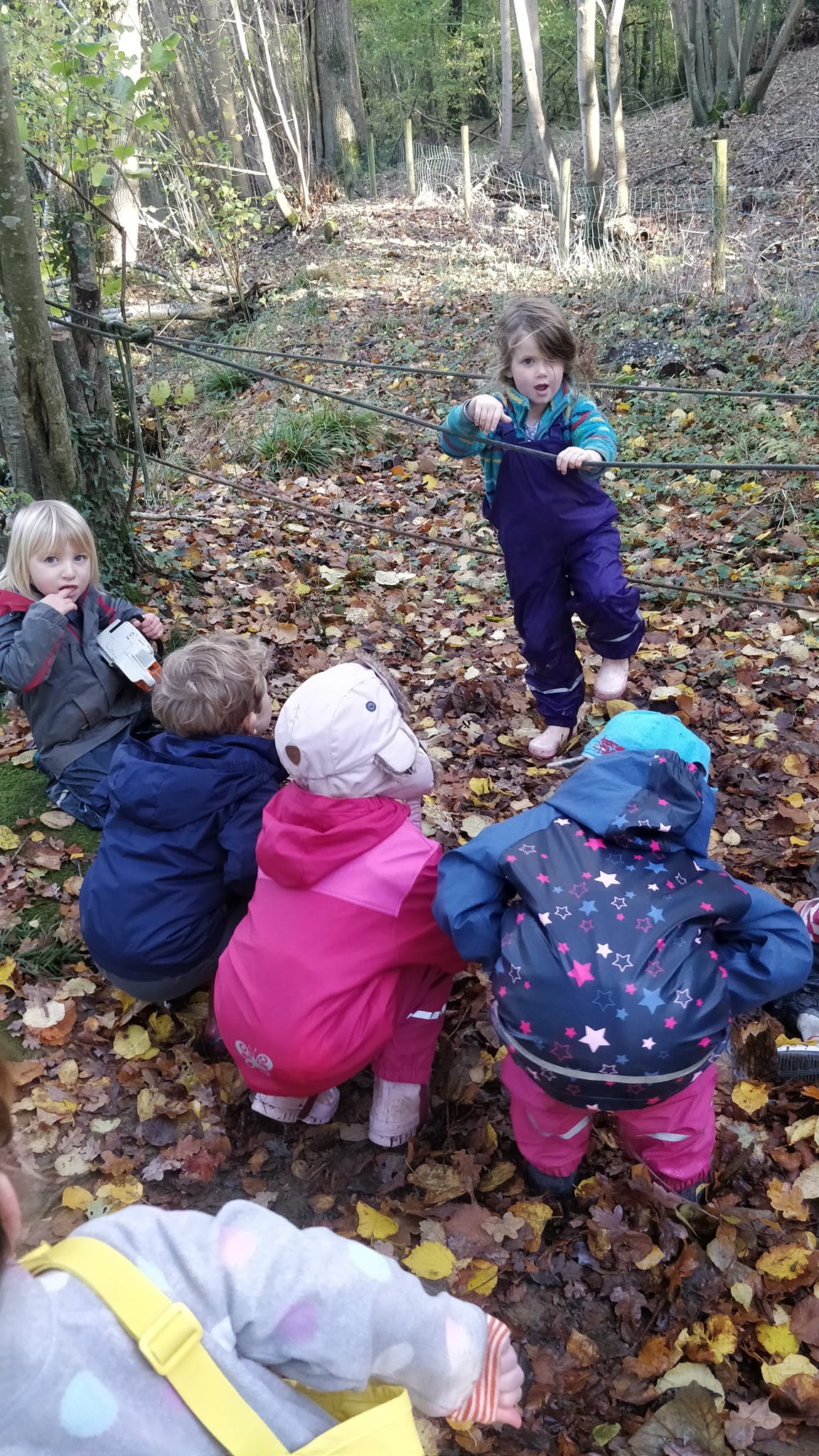
  • 9:30 Lunch preparation e.g. veg chopping, cheese grating , Stick collection and sawing of branches for lunch time fire. Free play e.g. wood chip pile and mud pit kitchen, balance bikes, rope swings, tree clambering, den building, painting, chalking, drawing, puzzles and books. Staff led craft activity, often using resources found in and around the woods and fields. Water collection for hand washing and water play. Gardening and watering plants.
  • 10:30 Ring time:
Time for the children to “share” with the others e.g. what they have done at home, where they have been, sing a song.
Songs and rhymes, often related to the seasons and festivals.
Literacy and Numeracy e.g. “I hear with my little ear”.
  • 10:45 Wash hands and snack
  • 11:00 Helping to clear up and washing up when appropriate.
Free Play and continuation of earlier activities.
Laying of fire.
  • 12:00 Lunch cooking, with “Cooks Help” involved as much as possible, fetching and carrying, preparing table, recycling of tins etc.
  • 12:55 Wash hands and Lunch
  • 1:30 Rest time for those staying all day, while others get ready to leave.
  • 2:00 Stories, sewing, puzzles and other quite activities while some children are asleep, then free play as before, ring games, music games, story re-enactment etc.
  • 3:15 Tidy away with children’s help.
  • 3:30 Wash hands and snack time.
  • 3:45 Get ready to go home.
  • 4:00 Set off across field.
  • 4:15 Pick up time